Article content
There was a time when advertising ruled the world.
A prime-time TV spot could build a brand overnight.
A full-page newspaper ad could change public opinion.
A billboard could make a product unforgettable.
That world no longer exists.
In 2026, something uncomfortable is becoming impossible to ignore.
People do not hate brands.
They hate being interrupted.
They skip ads.
They mute commercials.
They scroll past banners.
They block pop-ups.
Not because the content is bad.
But because the format is broken.
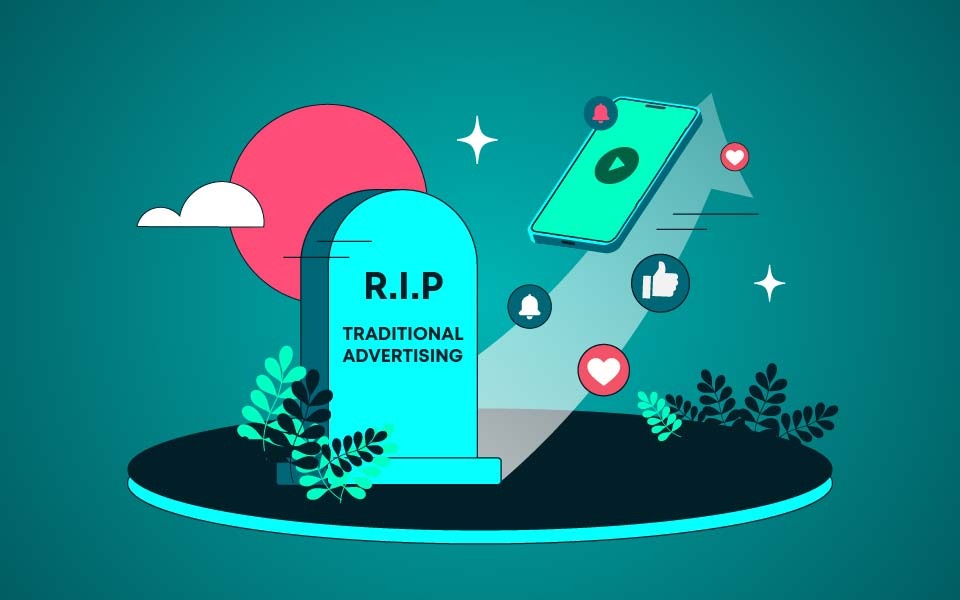
Traditional advertising is not dying in silence.
It is dying in public.
And what is replacing it is not louder.
It is smarter.
Quieter.
More human.
This is the story of what is ending.
And what is taking its place?
Why traditional advertising stopped working
Modern audiences live inside algorithms.
They choose what they watch.
When they watch.
And who they trust.
Attention is no longer rented.
It is earned.
The average person in India now sees thousands of brand messages every day. Most are invisible. Not ignored. Invisible.
Three things changed everything:
- People gained control
- Platforms rewarded authenticity
- Trust shifted from brands to humans
Once that happened, the interruption stopped working.
The rise of content over campaigns
Campaigns are temporary.
Content is permanent.
In 2026, brands that win are not launching ads.
They are building libraries.
- Educational videos
- Behind-the-scenes stories
- Founder conversations
- Customer journeys
- Mini documentaries
- Product stories
- Community moments
Instead of shouting “buy this,” they are saying “come with us.”
This is not marketing.
This is publishing.
Brands are becoming media companies.
Why creators replaced celebrities
Audiences trust people who feel reachable.
A YouTuber feels closer than a movie star.
A startup founder feels more honest than a brand mascot.
A customer story feels more real than a celebrity endorsement.
In 2026:
- Micro creators will outperform mega influencers
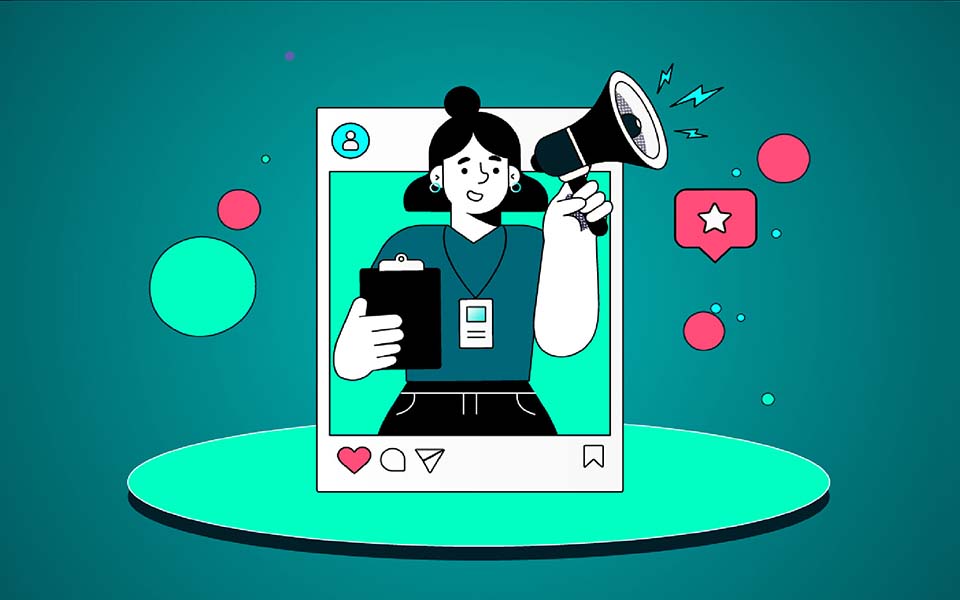
- Founders will become brand faces
- Employees will become storytellers
- Customers will become ambassadors
Trust is no longer rented.
It is built.
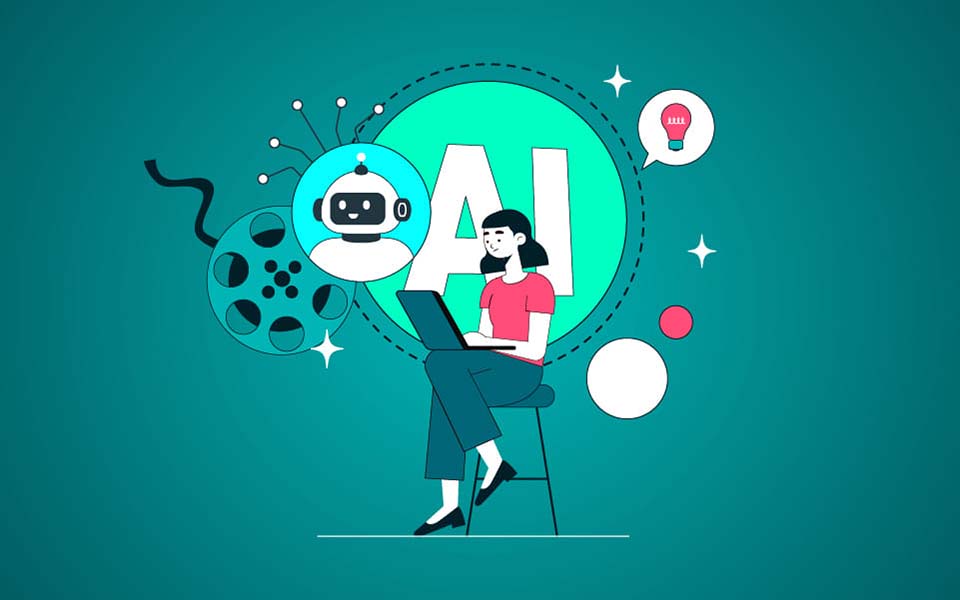
The invisible role of AI
AI will not be the headline in 2026.
It will be the engine.
Scripts will be drafted by AI.
Edits will be accelerated by AI.
Translations will be instant.
Thumbnails auto-tested.
Formats adapted in seconds.
But audiences will not care.
They will care about one thing only.
Does this feel real?
AI will handle speed.
Humans will handle meaning.
The brands that balance both will dominate.
The new currency: authenticity
In the old world:
High production meant high credibility.
In 2026:
Honesty means credibility.
A shaky phone video from a founder explaining a failure will outperform a polished brand film.
A customer talking naturally will beat a scripted testimonial.
An employee sharing a workday will feel more trustworthy than a corporate manifesto.
Perfection is suspicious.
Reality converts.
How brands will actually win attention in 2026
Not by being louder.
By being closer.
Here is what will work:
- Teaching instead of selling
- Documenting instead of advertising
- Conversing instead of broadcasting
- Showing instead of claiming
- Listening instead of interrupting
- Short-form video
- Long-form storytelling
- Community posts
- Behind the scenes
- Unfiltered moments
- Consistent presence
Attention will follow trust.
Trust will follow truth.
What this means for businesses
If you are a brand in 2026, your questions will change.
Not:
“How much should we spend on ads?”
But:
- “What do we stand for?”
- “What do we know?”
- “What can we teach?”
- “What story are we telling?”
- “Who is our human face?”
Marketing teams will hire writers, filmmakers, editors, community managers, and storytellers.
Not just media buyers.
What this means for creators and agencies
Production houses will become creative partners.
Not vendors.
Scriptwriters will become brand architects.
Not just copywriters.
Video teams will build ecosystems.
Not just deliverables.
The future belongs to people who understand:
Technology gives reach.
A story gives meaning.
The Uncomfortable Truth
Advertising is not disappearing.
It is evolving.
The banner ad is dying.
The thirty-second commercial is fading.
The forced message is failing.
But storytelling is exploding.
And brands that understand this early will not chase attention.
They will attract it.
Final thought
In 2026, the brands people love will not feel like brands.
They will feel like people.
They will teach.
They will share.
They will listen.
They will show up.
And in a world drowning in noise, that will be the loudest signal of all.